
LIFU (Focused Ultrasound)
24 November 2025Acne (Pimples)
Acne, commonly seen especially during adolescence, is a skin condition characterized by blackheads, whiteheads, and inflamed lesions. With expert dermatological support and personalized treatment plans, acne and its scars can be effectively managed.
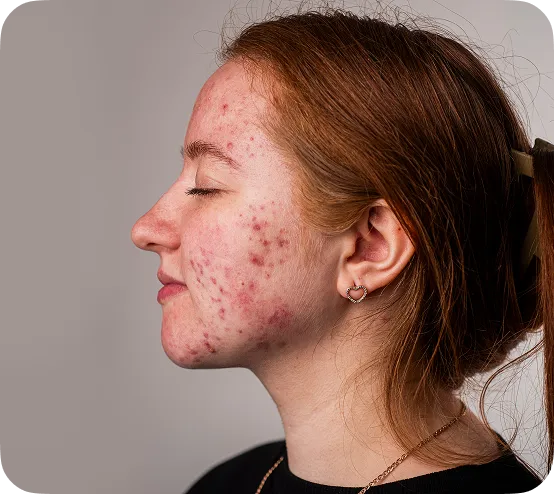
Acne, commonly known as pimples, occurs when hair follicles and sebaceous glands become clogged, leading to inflamed or non-inflamed skin lesions. Although it is most common during adolescence, it can persist into adulthood. Acne is a significant skin condition with both physical and psychological impacts.
Symptoms of Acne
- Blackheads (comedones)
- Whiteheads
- Inflamed red papules and pustules
- Cystic lesions (deep and painful acne)
- Post-acne scars and pigmentation marks
What Causes Acne?
- Hormonal changes: puberty, hormonal imbalances
- Overactive sebaceous glands
- Bacterial growth (Cutibacterium acnes)
- Genetic predisposition
- Incorrect cosmetic product use
- Stress and dietary habits
Types of Acne
- Comedonal acne (blackheads and whiteheads)
- Inflammatory acne (red and inflamed pimples)
- Cystic acne (deep, painful nodules)
- Acne rosacea (often seen in adults)
Acne Treatment Methods
1. Topical Treatments
Antibacterial creams, retinoids, and acid-based products are effective for mild to moderate acne.
2. Oral Medications
Antibiotics, hormonal therapies, or isotretinoin may be used for moderate to severe acne.
3. Medical Aesthetic Procedures
Chemical peels, carbon peels, and laser treatments help improve acne and acne scars.
4. Skin Care Treatments
Professional skin cleansing supports acne treatment by purifying clogged pores.
5. Lifestyle Modifications
A balanced diet, stress control, and proper skincare product choices accelerate healing.
Acne Scars and Pigmentation
Post-acne scars and dark spots can be reduced with laser therapy, microneedling (dermapen), and chemical peels. The treatment plan is personalized based on the patient’s skin needs.
Frequently Asked Questions
Is acne contagious?
No, acne is not contagious.
Does acne completely disappear?
With appropriate treatment, acne can be significantly controlled. In advanced cases, scars may remain, but modern procedures can effectively reduce them.
Which doctor should I see for acne treatment?
You should consult a dermatologist for proper acne management.
Acne Treatment at Our Clinic
In our clinic, acne treatment is personalized for each patient. Through oral medications, medical aesthetic procedures, and professional skin care, we address both active acne and post-acne scars.
If you want to achieve clear, healthy skin, you can schedule an appointment with our specialist dermatologist.


